By Keziah Fern Ashgrove. Publisher: buttonbarrage Companion Notes Review.
Tell a friend what caught your attention
A game recommendation can be as simple as noticing an unusual symbol or enjoying the sound of a round. The buttonbarrage introduction gives plenty to talk about, from Click Credits to quick controls. In 2026, that conversation can stay useful by describing a particular observation rather than promising that a friend will enjoy the same experience.
Shared social gaming works best when the invitation has room around it. Say what interested you, where you saw it and whether you checked the loaded game name. A friend may enjoy reading the rules more than pressing spin. Another may prefer an entirely different theme. Neither response needs to become a judgement about your taste or their willingness to join in.
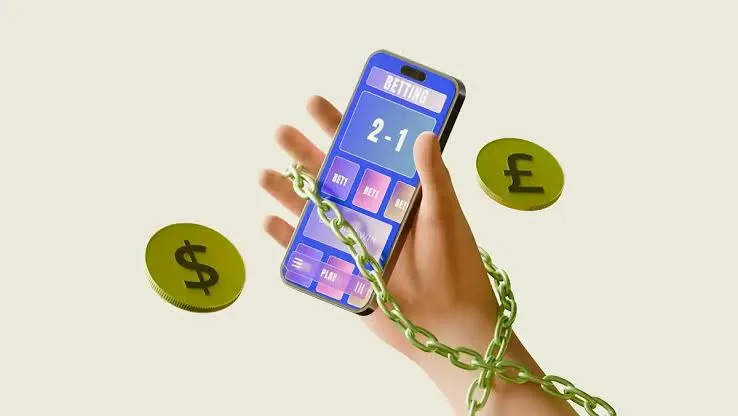
A clear invitation asks for less guessing
Before sending a link, check that the destination matches the game you mean. The homepage describes Click Surge, while the existing Coin Strike XXL page names another game. Our game identity article considers that distinction. It helps a recommendation remain about the screen you actually saw instead of a rule borrowed from somewhere else.
- Name the game shown on the loaded screen.
- Describe one feature or visual detail you noticed.
- Explain that joining in is optional.
- Suggest a pause or another activity alongside play.
Use observations instead of predictions
“I liked reading the symbol table” gives a friend something concrete to consider. “You will get a huge result” creates an expectation the observation cannot support. A short account of the controls or sound is usually more helpful than a dramatic story about a virtual return. It leaves the other person free to decide whether the experience sounds appealing.
There is more than one way to take part
| Format | What it offers | Ask first |
|---|---|---|
| One shared screen | Easy conversation | Who controls the next round? |
| Separate screens | Individual pace | Does anyone want to compare notes? |
| Watching only | Company without tapping | Is the screen comfortable to follow? |
Shared social gaming does not require a shared scoreboard. Around one device, a spectator might read a help panel aloud or simply enjoy the theme. Give the person holding the device time to answer before offering another instruction. Several voices calling for different buttons can turn a relaxed moment into a confusing one, especially when the controls are unfamiliar.
- Ask before changing sound or speed.
- Leave personal messages and browser tabs private.
- Accept a request to watch without taking a turn.
- Let a pause happen without demanding an explanation.
On separate devices, compare observations rather than assuming the screens match. One person may have a different layout or a fresh game state. If someone returns after a call, stop the conversation long enough for them to check the display. The article on returning to a game frame offers a simple way to regain that context.
Make the ending ordinary
A shared evening benefits from an ending that does not depend on a result. Finishing a conversation, making tea or moving to another activity gives everyone a natural change of pace. Avoid making one more round the price of leaving. The same courtesy applies when a friend declines the link altogether: the invitation has done its job by giving them a choice.
Author’s opinion: a recommendation is a conversation
I value shared social gaming most when people can contribute in different ways. Someone who asks a thoughtful question about a symbol may add as much to the evening as the person using the controls. I would rather share a small discovery accurately than turn an entertaining moment into a test that everyone has to complete.
For me, the best invitation also makes stopping easy. I would name what I enjoyed, mention any uncertainty about the game and leave the next step open. If the conversation moves away from the screen, that can be a good outcome. Company has its own value, and it does not need a matching balance or a final round to prove it.